Iwate Hotels: no available offers. Here are other great options for your stay!
9.8 25 reviews
Iwate
10/10 – 16/10
SG$279/nighttotal: SG$1674 (6 )
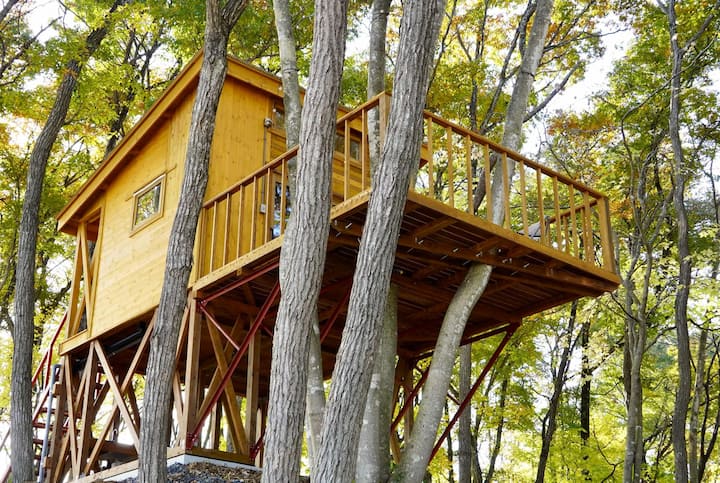
【1日1組限定】錦秋湖を望む絶景宿|地元の朝食付|五感に触れる|ネイチャーガイドのいる宿
1 2
apartment , Nishiwaga-machi
This Nishiwaga-machi lakeside dwelling offers stunning Kinshu Lake views, situated approximately 20km from the nearest convenience store and 5km from the nearest supermarket. The one-bedroom apartment, sleeping four, boasts a private deck, hot spring access to Hotto Yuda Onsen (a 3-minute walk), a projector, WiFi, and washing machine/dryer, plus guided nature tours are available.
8.2 18 reviews
Iwate
08/10 – 11/10
SG$126/nighttotal: SG$378 (3 )
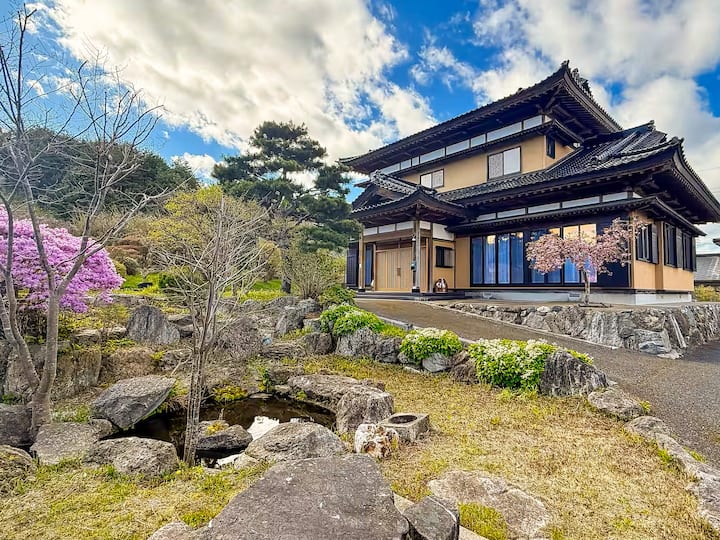
貸切古民家 ゆったどの宿
1 2
apartment , Morioka-shi
This Morioka-shi apartment, a traditional-style dwelling, is situated approximately 2.6 km from Morioka Station, offering easy access by taxi or local bus to Morioka Castle ruins, the House of Morioka Town, and Parc Avenue Kawatoku. The 42-square-metre property features one bedroom, one bathroom, and a fully equipped kitchen including a fridge and microwave, accommodating up to seven guests and boasting a jacuzzi and private parking.
10 16 reviews
Iwate
08/10 – 11/10
SG$138/nighttotal: SG$414 (3 )
【和のお宿みかみ】宮古駅近く~和空間の一軒家で心安らぐひととき~
1 2
apartment , Miyako-shi
This Miyako-shi apartment, a 6-minute walk (approximately 0.4km) from JR Miyako Station, is situated in a peaceful residential area of Miyako City. The one-bedroom flat sleeps four, offering a fridge, freezer, microwave, air conditioning, parking, and shared laundry facilities, plus unique access to calligraphy and Buddhist painting artworks.
Iwate
23/06 – 30/06
SG$4578/nighttotal: SG$32046 (7 )
Azuma Farm Koiwai
2 4
resort , Shizukuishi-chō
Azuma Farm Koiwai, a resort located in Shizukuishi-chō, is situated 17.7 kilometres from Morioka Station and 3.5 kilometres from Koiwai Farm. This accommodation offers rooms with air conditioning, WiFi, and private bathrooms, with some featuring a terrace, and provides on-site spa facilities and bike rental for exploring the area.
Top cities
Frequently asked questions about hotels in Iwate
What are the best landmarks to visit in Iwate Prefecture, Japan?
Iwate Prefecture boasts a diverse range of landmarks. For stunning natural beauty, there's the breathtaking scenery of Lake Tazawa, Japan's deepest lake, and the dramatic cliffs of the Sanriku Coast. History buffs will appreciate the Morioka Castle Ruins, offering a glimpse into the region's past, and the Hiraizumi temples and gardens, a UNESCO World Heritage site showcasing stunning architecture and serene landscapes. Mount Iwate, an active volcano, provides excellent hiking opportunities for those seeking adventure, while the charming city of Morioka itself offers a blend of traditional and modern architecture.
What are the best hotels with a swimming pool in Iwate?
What is the best itinerary to experience Iwate Prefecture, Japan?
A good itinerary would depend on your interests and the length of your stay. A possible 7-day itinerary could include: days 1-2 exploring Morioka city, including Morioka Castle Ruins and the local markets; days 3-4 visiting Hiraizumi's temples and gardens; day 5 exploring Lake Tazawa and its surrounding areas; day 6 experiencing the Sanriku Coast's dramatic scenery; and day 7 enjoying a relaxing onsen experience before departure. Adjust this based on your preferences, perhaps focusing more on hiking in the mountains or exploring specific coastal towns.
What are the most popular 2, 3 and 4-star hotels in Iwate?
What is the best time to visit Iwate Prefecture, Japan?
The best time to visit Iwate Prefecture depends on your priorities. Spring (April-May) and autumn (September-October) offer pleasant temperatures and stunning scenery, with cherry blossoms in spring and vibrant foliage in autumn. Summer (June-August) is ideal for hiking and outdoor activities but can be hot and humid. Winter (November-March) brings snow, perfect for skiing and snowboarding in areas like Appi Kogen, but can be very cold.
What traditional local food should you try in Iwate Prefecture, Japan?
Iwate's cuisine is hearty and delicious. Wanko soba, a noodle dish where you're continually served small bowls of noodles, is a must-try. Hinai-jidori, a breed of chicken, is known for its tender meat and is often served grilled or in other dishes. Try also the local sake, known for its distinct flavour profiles. Many restaurants in Morioka and other towns offer regional specialities.
What are the best family friendly hotels in Iwate?
Are there any unknown or hidden places that should be on your list in Iwate Prefecture, Japan?
While many places are well-known, some lesser-visited gems include the smaller onsen towns nestled in the mountains, offering a tranquil escape. Exploring the coastal villages along the Sanriku Coast beyond the main tourist areas can reveal charming local life and stunning, less-crowded scenery. Look for local hiking trails less frequented by tourists for a more secluded experience.
What are some authentic ways to meet locals and discover their traditions in Iwate Prefecture, Japan?
Attending local festivals is a great way to interact with locals. Participating in a traditional craft workshop, such as pottery or weaving, can provide insights into local skills and customs. Staying in a minshuku (small family-run guesthouse) offers a more immersive experience and opportunities for conversations with the hosts. Simply striking up conversations with people in local markets or cafes can also lead to interesting interactions.
What should visitors know about the weather and natural risks in Iwate Prefecture, Japan?
Iwate Prefecture experiences distinct seasons, with hot, humid summers and cold, snowy winters. The mountainous regions are prone to heavy snowfall, while the coastal areas are susceptible to tsunamis. Staying informed about weather forecasts and potential hazards is crucial, especially during winter and typhoon season. Knowing basic Japanese phrases related to weather and emergencies can be helpful.
Are there any special items you’ll need when travelling to Iwate Prefecture, Japan?
Depending on the season, you'll need appropriate clothing. Comfortable walking shoes are essential for exploring. A Japanese phrasebook or translation app can be beneficial. A portable charger for your electronics is always handy. Consider purchasing a Japan Rail Pass if you plan on extensive train travel. In winter, warm clothing, including waterproof outerwear, is crucial.