Hotel Coco Grand Takasaki
hotel, Takasaki Shi
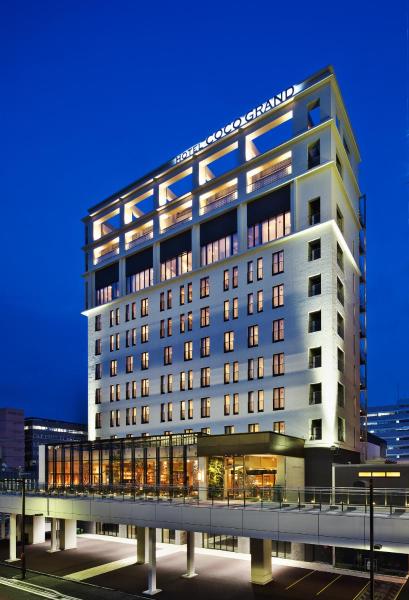
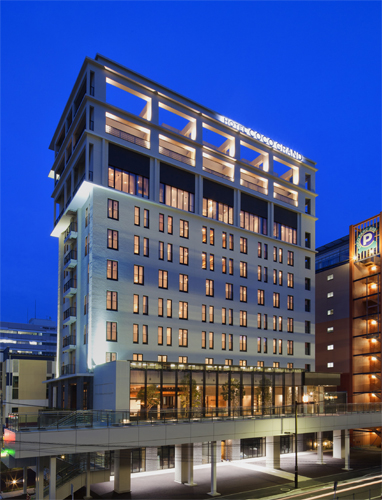
Hotel Coco Grand Takasaki, a 3-star establishment in Fukaya, offers convenient access to Takasaki city, located approximately 28 kilometres away.
This lodging boasts a sauna, restaurant, and bar, alongside guest services including room service and Wi-Fi, ensuring a comfortable stay for visitors exploring Takasaki's historical sites and museums.
This lodging boasts a sauna, restaurant, and bar, alongside guest services including room service and Wi-Fi, ensuring a comfortable stay for visitors exploring Takasaki's historical sites and museums.

Hotel An No Ie - Vacation Stay 30029v
hotel, Yoshioka Machi
Hotel An No Ie - Vacation Stay 30029v is located in Ikaho, a popular hot spring resort town, approximately 40 kilometres from Usui Pass Railway Heritage Park and 6.3 kilometres from Ishidan-gai Steps. This peaceful town offers a tranquil escape from the hustle and bustle of city life.
The property is a one-bedroom apartment with a floor area of 46 square metres, comfortably accommodating up to three guests. It offers modern amenities such as air conditioning, desks, and private bathrooms with showers, toiletries, and hairdryers, as well as free Wi-Fi and private parking.
The property is a one-bedroom apartment with a floor area of 46 square metres, comfortably accommodating up to three guests. It offers modern amenities such as air conditioning, desks, and private bathrooms with showers, toiletries, and hairdryers, as well as free Wi-Fi and private parking.
Hotel R9 The Yard Kanra
hotel, Kanra-machi
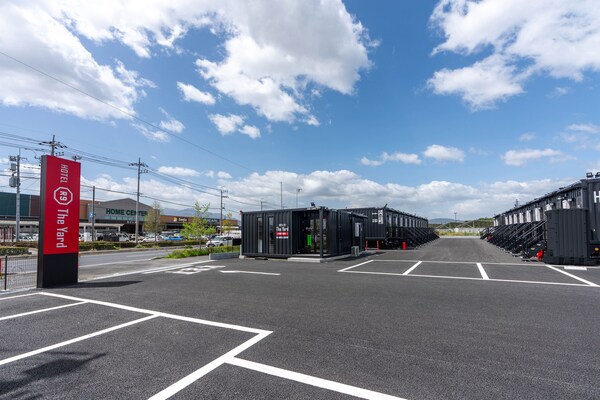
Hotel R9 The Yard Kanra in Kanra-machi offers convenient access to Konnyaku Park (1.9 km) and the Tomioka Silk Mill (3.7 km), a UNESCO World Heritage site, with Gunma Museum of Natural History and Gunma Safari Park within a 9.7 km radius.
This two-star lodging provides free on-site parking, laundry facilities, vending machines, and air conditioning, ensuring a comfortable stay near key Kanra-machi attractions.
This two-star lodging provides free on-site parking, laundry facilities, vending machines, and air conditioning, ensuring a comfortable stay near key Kanra-machi attractions.
Hotel R9 Premium Kawamataekimae
hotel, Meiwa-machi
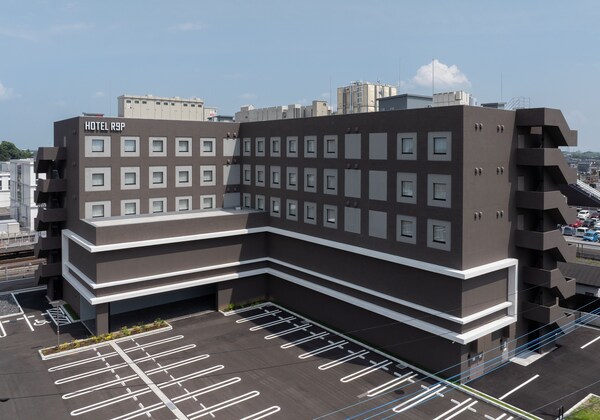
Hotel R9 Premium Kawamataekimae offers convenient accommodation near Kawamatae Station in Meiwa-machi.
This establishment boasts on-site hot springs, a restaurant serving French cuisine, and parking, providing guests with a relaxing and well-equipped stay.
This establishment boasts on-site hot springs, a restaurant serving French cuisine, and parking, providing guests with a relaxing and well-equipped stay.
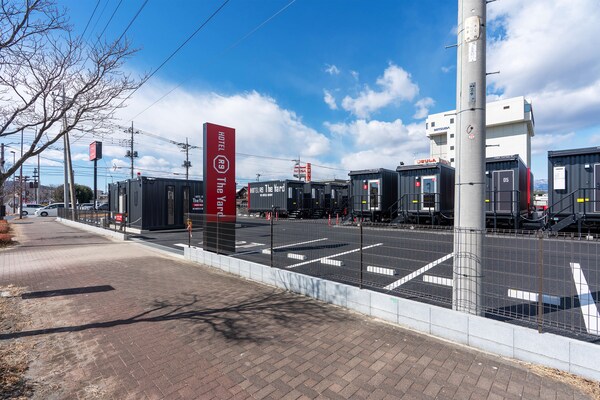
Hotel R9 The Yard Kiryu
hotel, Kiryū Shi
Hotel R9 The Yard Kiryu, a 2-star establishment in Kiryū, Gunma Prefecture, offers convenient access within 3 kilometres of the Watarase River and museums including the Kinunem, Yukari Textile, and Kiryu Textile Museums.
This non-smoking lodging provides free on-site parking, vending machines, laundry facilities, and on-request housekeeping, placing it near Kiryu Meiji Hall and other historical sites.
This non-smoking lodging provides free on-site parking, vending machines, laundry facilities, and on-request housekeeping, placing it near Kiryu Meiji Hall and other historical sites.
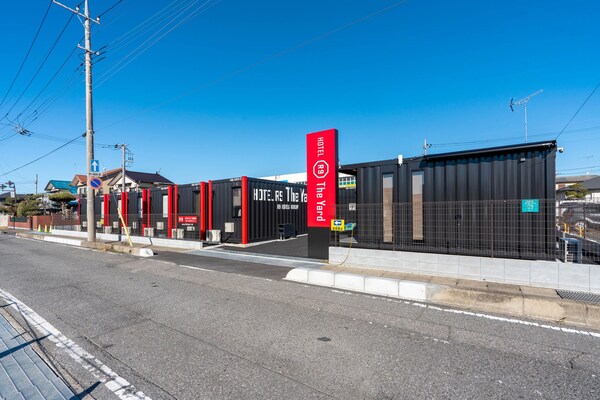
Hotel R9 The Yard Oizumi
hotel, Ōizumi-machi
Hotel R9 The Yard Oizumi, a two-star establishment in Ōizumi-machi, is situated 1.1km from Padaria & Lanches TOMI and within 10km of Tenjin Yama and Shodenzan Kangiin Temple, offering convenient access to local attractions and amenities.
This smoke-free lodging provides free self-parking, on-site laundry facilities, vending machines, and housekeeping on request, ensuring a comfortable stay with added conveniences.
This smoke-free lodging provides free self-parking, on-site laundry facilities, vending machines, and housekeeping on request, ensuring a comfortable stay with added conveniences.

Hotel122
hotel, Meiwa-machi
Hotel122, a 5-star hotel in Meiwa-machi, is located in Ora-gun, providing convenient transport links for exploring the surrounding area.
This family-friendly establishment offers complimentary high-speed internet, on-site parking, air-conditioned rooms with separate living areas, and in-room dining, with select rooms featuring balconies or terraces and complimentary daily breakfast and groceries delivered directly to your room.
This family-friendly establishment offers complimentary high-speed internet, on-site parking, air-conditioned rooms with separate living areas, and in-room dining, with select rooms featuring balconies or terraces and complimentary daily breakfast and groceries delivered directly to your room.
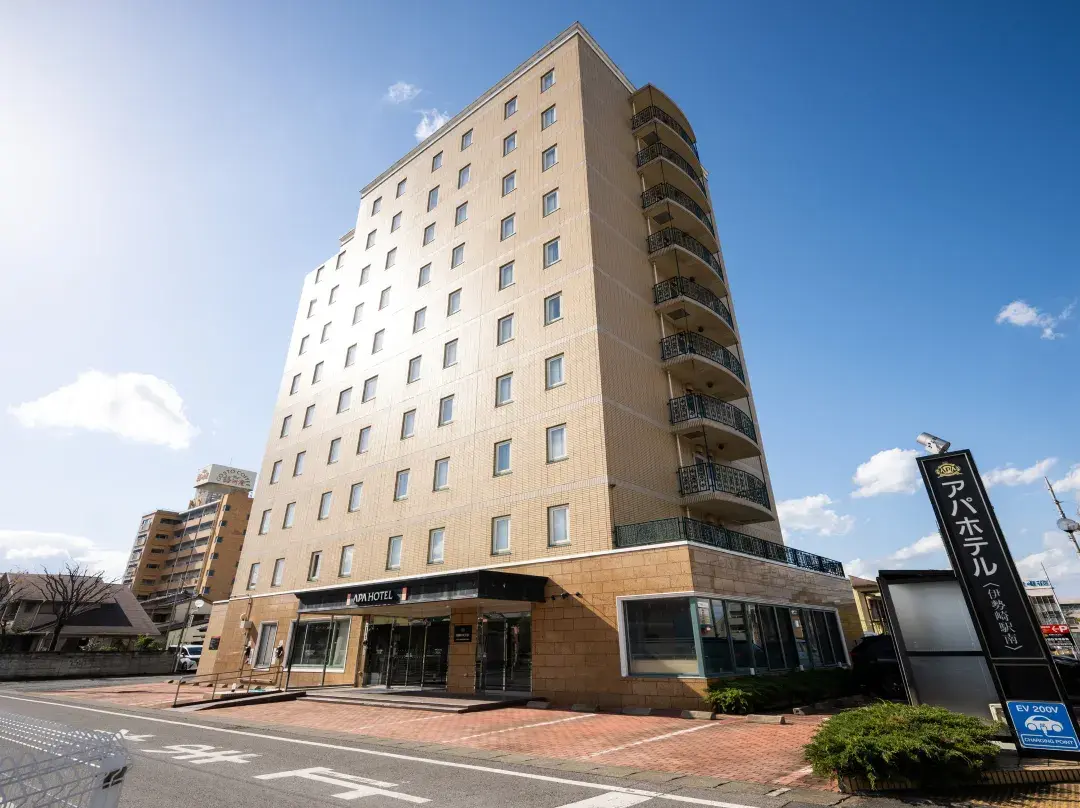
Apa Hotel Isesaki Eki Minami
hotel, Isesaki Shi
Apa Hotel Isesaki Eki Minami is a 3-star hotel located in Isesaki Shi, offering a tranquil atmosphere and warm hospitality.
This accommodation provides essential amenities including internet, air conditioning, and parking, with a user rating of very good for cleanliness and an overall experience designed for guest contentment.
This accommodation provides essential amenities including internet, air conditioning, and parking, with a user rating of very good for cleanliness and an overall experience designed for guest contentment.

Apa Hotel Gunma Otaeki-kita
hotel, Ōta-shi
Apa Hotel Gunma Otaeki-kita, a 3-star hotel in Ōta-shi, offers convenient access to local attractions such as Mikazukimura and Orihime Shrine, both 10.1 kilometres away, and regional sites like Kumagaya Rugby Stadium, 17.7 kilometres distant.
This establishment provides complimentary WiFi, on-site dining, free private parking, and a 24-hour reception with concierge services, ensuring a comfortable stay for guests exploring the area.
This establishment provides complimentary WiFi, on-site dining, free private parking, and a 24-hour reception with concierge services, ensuring a comfortable stay for guests exploring the area.
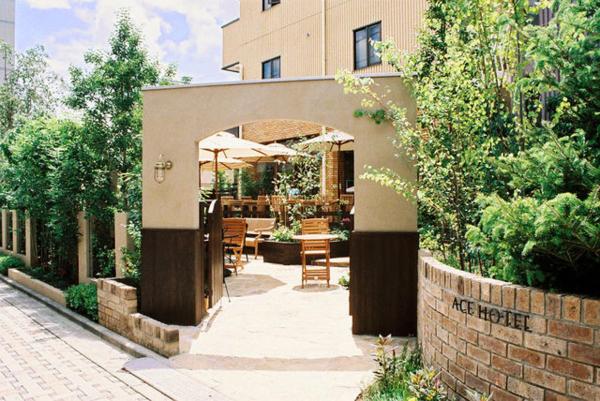
Kiryu Ace Hotel
hotel, Kiryū Shi
The Ace Hotel, a 3-star establishment in Kiryū, is conveniently located less than 1 km from the Kinunem Museum and the Watarase River, with the Kiryū Textile Museum and Okawa Museum of Art within a 2.4 km radius.
This Kiryū guesthouse offers a single bedroom with one bathroom, free Wi-Fi in public areas, free self-parking, and on-site laundry facilities, plus a 24-hour front desk and complimentary tea/coffee.
This Kiryū guesthouse offers a single bedroom with one bathroom, free Wi-Fi in public areas, free self-parking, and on-site laundry facilities, plus a 24-hour front desk and complimentary tea/coffee.
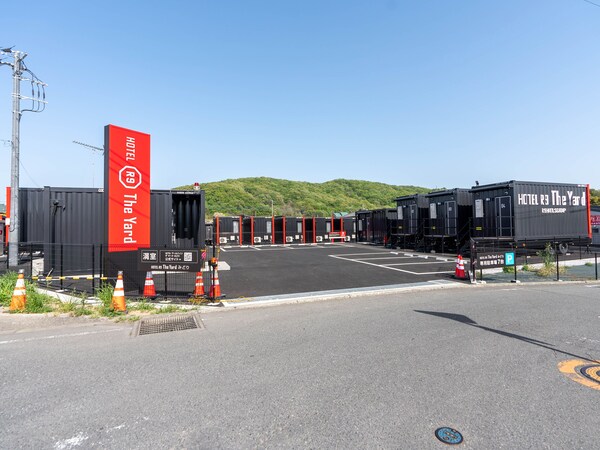
Hotel R9 The Yard Midori
hotel, Midori Shi
Hotel R9 The Yard Midori, a 2-star establishment in Midori-shi, is conveniently located within 5km of the Watarase River, Iwajuku Museum, and Mikazukimura Historic Village.
This smoke-free lodging offers free self-parking, on-site laundry facilities, and is near Kiryu Meiji Hall and Kinunem Museum, also within 5km; a vending machine and housekeeping are available.
This smoke-free lodging offers free self-parking, on-site laundry facilities, and is near Kiryu Meiji Hall and Kinunem Museum, also within 5km; a vending machine and housekeeping are available.

Hotel Route-inn Ota Minami -Kokudo 407 Gou-
hotel, Ōta-shi
The Hotel Route-Inn Ota Minami -Route 407- is situated in Ōta-shi, a 5-minute drive from JR Ōta Train Station, a 15-minute drive from Koizumi Jinja Shrine, and a 35-minute drive from Morin-ji Temple. This three-star hotel offers modern rooms with amenities such as LCD TVs, free wired internet, safety deposit boxes, fridges, and electric kettles, as well as a spacious public bath, a complimentary breakfast buffet, and a Japanese restaurant serving traditional cuisine.